 Skip to content
CERTIFIED COLLISION CENTER
OEM vs Aftermarket Parts in Collision Repair: What Every California Driver Needs to Know Before Saying Yes
The parts that go into your car after a collision determine whether it drives, brakes, and protects you like it did the day you bought it. Here is what your insurance company probably will not tell you.
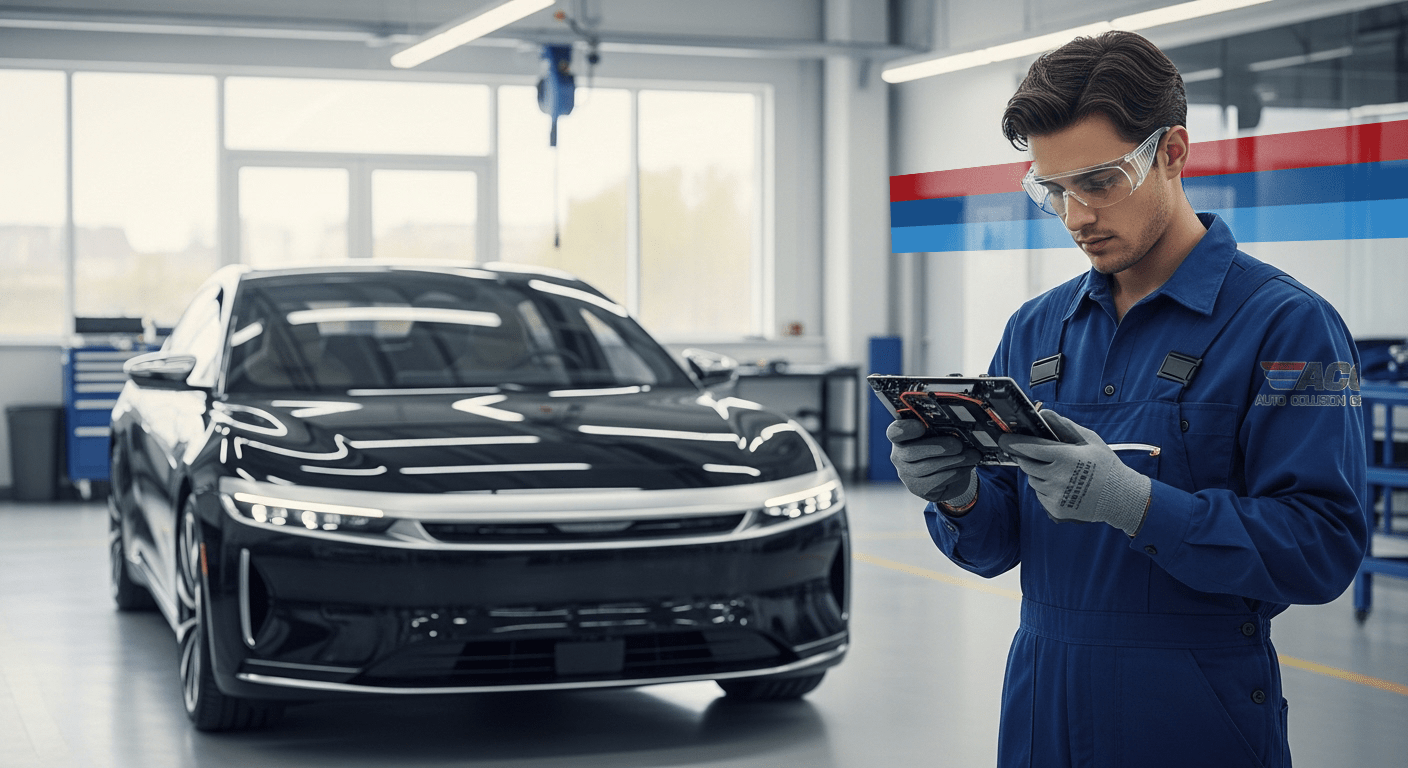
OEM vs aftermarket parts collision repair is the single most important decision you will face after a car accident in California. OEM (Original Equipment Manufacturer) parts are built by the same company that made your vehicle. They match the exact specifications for fit, finish, material composition, and crash performance. Aftermarket parts are produced by third-party manufacturers who reverse-engineer original components, often with lower material standards and looser tolerances. According to a 2023 study published by the Insurance Institute for Highway Safety, certain aftermarket crash parts altered the deployment timing of airbags by measurable margins. That is not a minor detail. That is a safety issue. In California, where freeways move fast and collisions hit hard, the parts inside your repaired vehicle are either protecting you or putting you at risk.
Most drivers never think about what goes into their car during a collision repair. They trust the shop. They trust the insurance company. But here is the problem: insurance adjusters have a financial incentive to push aftermarket parts because those parts cost 20% to 50% less than OEM equivalents. That savings goes to the insurer, not to you. Meanwhile, you are left with a vehicle that may not perform the way the manufacturer intended. If you drive a Tesla, Mercedes-Benz, or any vehicle with advanced safety systems, the stakes are even higher. As we explain in our guide to Tesla certified collision repair in California, using non-OEM parts on vehicles with integrated sensor arrays can cause calibration failures that compromise every safety feature in the car.
KEY FACTS
- ✓ OEM parts match factory specs for fit, material, and crash safety
- ✓ Aftermarket parts can cost 20%-50% less but lack crash testing
- ✓ California law lets you refuse aftermarket parts on your repair
- ✓ Auto Collision Group uses OEM parts exclusively on every repair, every time
What Actually Makes OEM Parts Different from Aftermarket Parts?
The difference between OEM and aftermarket parts goes far deeper than a logo stamped on a box. When a manufacturer like Toyota, BMW, or Tesla designs a body panel, that panel goes through crash simulation testing, corrosion resistance analysis, and precise dimensional mapping. Every curve, every mounting point, every weld flange is engineered to work with the rest of the vehicle’s structure. OEM parts are made from the same steel alloys, aluminum grades, or composite materials as the originals. They bolt on without modification. Gaps between panels stay consistent. Paint adhesion matches factory standards. Aftermarket parts, by contrast, are typically produced using generic tooling. The shapes are close but not exact. Mounting holes may be slightly off. Metal thickness can vary. In some cases, aftermarket fenders and hoods have been shown to weigh 10% to 15% less than OEM counterparts, which sounds harmless until you realize that missing weight often means missing metal in the crumple zones that absorb crash energy. A 2022 report by CAPA (Certified Automotive Parts Association) found that only about 26% of aftermarket parts tested met their certification standards on the first attempt. That means nearly three out of four parts failed initial quality checks.
- OEM parts undergo the same crash testing protocols as original production parts
- Aftermarket body panels frequently require shimming, bending, or grinding to fit correctly
- Incorrect fit on structural components can change how force transfers during a collision
Why Your Insurance Company Pushes Aftermarket Parts and What You Can Do About It
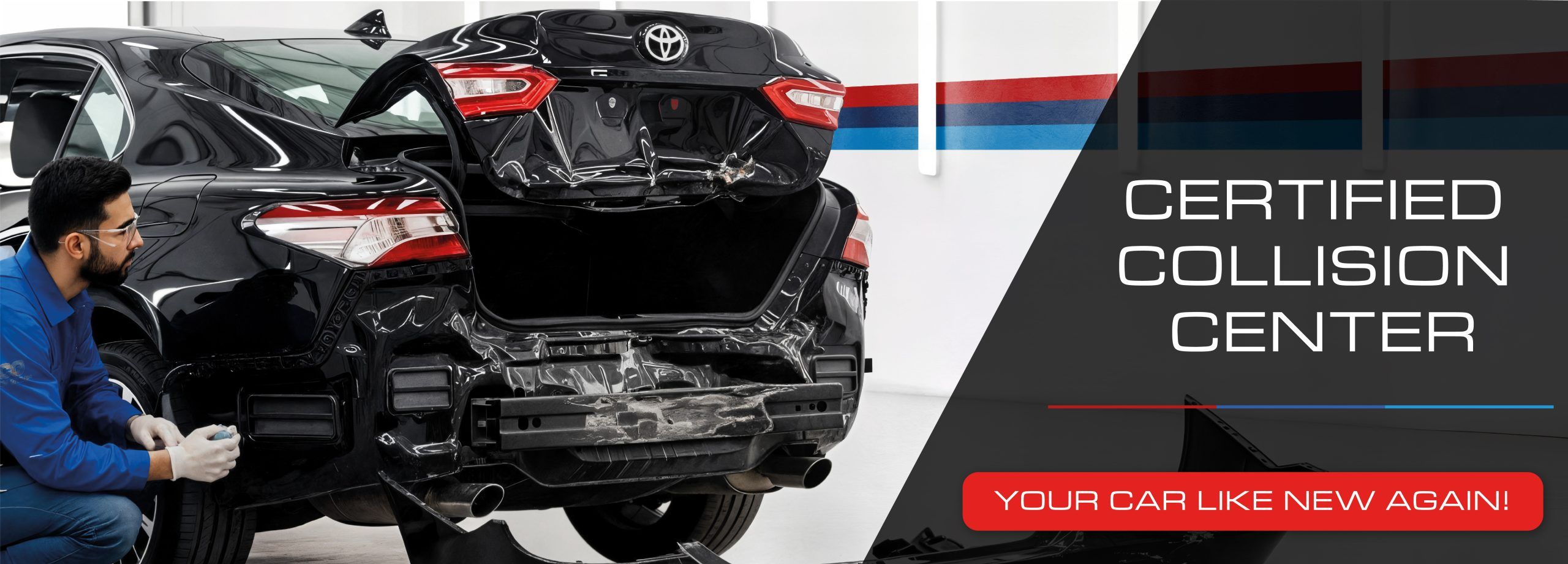
Insurance companies are in the business of managing claims costs. When an adjuster writes an estimate using aftermarket parts, they can cut the total repair bill significantly. On a typical collision repair involving a bumper cover, fender, headlight, and hood, switching from OEM to aftermarket can save the insurer $800 to $2,000 per claim. Multiply that across hundreds of thousands of claims per year and you see why insurers default to non-OEM parts on almost every estimate. But here is what matters to you: California Insurance Code Section 758.5 requires that any estimate using aftermarket parts must clearly identify those parts as non-OEM. You have the right to know. You also have the right to request OEM parts, though many shops will not fight for that on your behalf because it creates friction with the insurer. At Auto Collision Group, we take a different approach. We hold 34+ manufacturer certifications from brands including Tesla, BMW, Mercedes-Benz, Porsche, Audi, and many others. Every one of those certifications requires the use of OEM parts. We do not ask permission from the insurer. We demand OEM parts because the manufacturer requires them, and because your safety depends on them. Our team handles the negotiation directly so you never have to argue with your insurance adjuster. If you want to see how this works on a specific brand, read our breakdown of Mercedes-Benz collision repair and OEM parts in Los Angeles.
PRO TIP
“Before you sign any repair authorization, ask the shop one question: are you using OEM or aftermarket parts on my car? If they hesitate, dodge, or say ‘equivalent quality,’ walk out and call a certified shop. That hesitation tells you everything.”
How Aftermarket Parts Can Void Your Warranty and Kill Your Resale Value
Many California drivers do not realize that using aftermarket parts during a collision repair can directly affect their manufacturer warranty. Most automakers include language in their warranty documentation that excludes coverage for damage caused by non-OEM components. If an aftermarket radiator support fails and causes engine overheating, or if a non-OEM bumper absorber does not perform correctly in a subsequent accident, the manufacturer can deny your warranty claim. Tesla, for example, requires all structural and cosmetic repairs to be performed at certified shops using only Tesla-approved parts. Failing to meet that requirement can result in warranty denial on related systems. The same applies to BMW, Mercedes-Benz, Audi, and virtually every premium brand. Even mainstream manufacturers like Honda, Toyota, and Hyundai have tightened their warranty language around collision repairs in recent years.
Then there is the resale question. When you sell or trade in your vehicle, any buyer or dealer running a Carfax report will see that the car was in an accident. A well-documented repair using OEM parts and performed at a certified facility tells future buyers the car was fixed correctly. A repair done with aftermarket parts at an uncertified shop raises red flags. Kelley Blue Book data suggests that a poorly repaired collision vehicle can lose an additional 10% to 15% of its value beyond the standard accident-related depreciation. That is real money walking out the door. If your car is a Tesla, choosing the right shop matters even more. Our California Tesla body shop guide explains exactly what Tesla requires and why those requirements exist.
The Safety Argument: Where OEM vs Aftermarket Parts Collision Repair Gets Serious
Modern vehicles are designed as integrated safety systems. The body structure, the airbag sensors, the crumple zones, the seatbelt pretensioners, and the advanced driver assistance systems (ADAS) all work together as a single unit. When you replace a structural component with an aftermarket part that has different material properties or slightly different dimensions, you change how that system behaves in a crash. This is not theory. The IIHS tested bumper systems repaired with aftermarket parts and found measurable differences in crash energy absorption. Aftermarket bumper reinforcement bars deformed differently than OEM bars during low-speed impact tests, resulting in increased damage to surrounding components. In a higher-speed collision, those differences can affect occupant protection. ADAS calibration adds another layer of concern. Radar sensors, cameras, and lidar units mounted in bumpers, grilles, and windshield areas must sit in exact positions relative to the vehicle’s centerline. An aftermarket bumper cover that sits even 2mm off can throw a front radar sensor out of alignment, causing adaptive cruise control and automatic emergency braking to malfunction. At Auto Collision Group, every repair includes full ADAS recalibration using factory scan tools, because we know that getting the parts right is only half the job.
Why California Drivers Choose Auto Collision Group
13
Locations in California
34+
Manufacturer Certifications
4.8★
Average Google Rating
OEM
Parts Only — Always
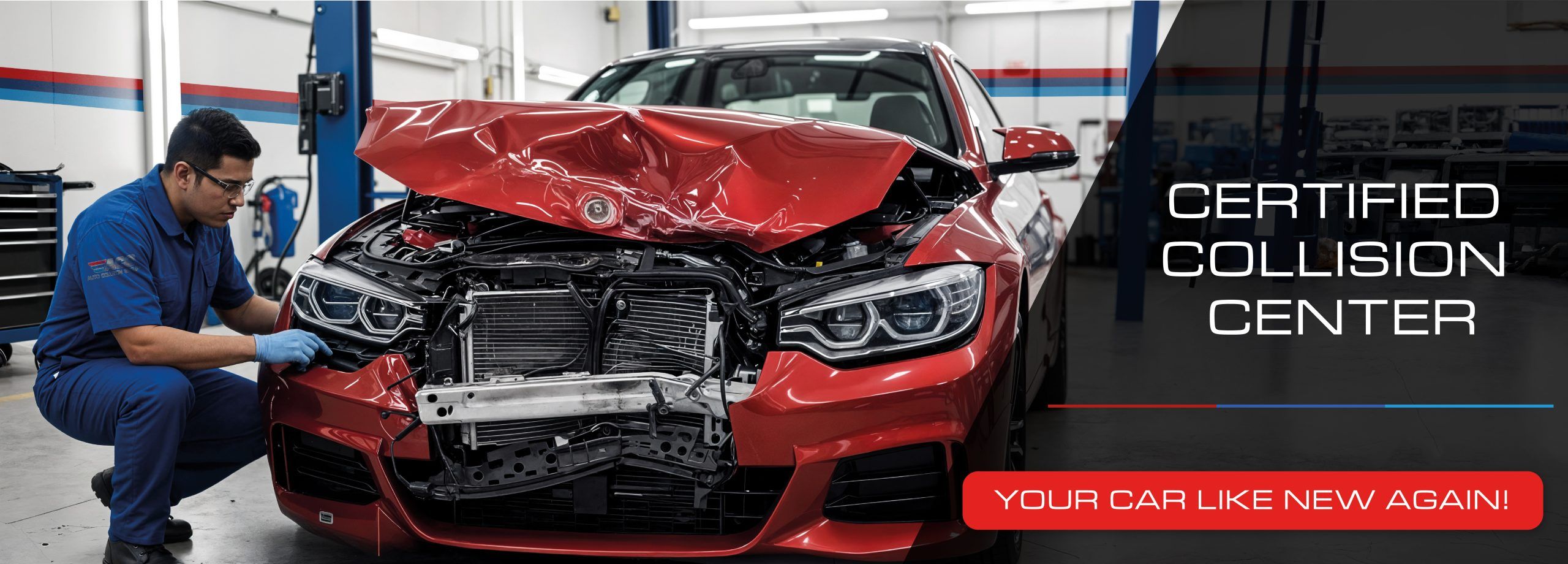
Auto Collision Group exists because we believe the OEM vs aftermarket parts collision repair debate should not be a debate at all. We use OEM parts on every single repair. No exceptions. No substitutions. When your insurance company pushes back, we fight for you, not for them. That is our promise and it has been since day one. With 13 locations across California, from Whittier to El Cajon, Fresno to Bakersfield, we are never far away. We offer free 24/7 towing from anywhere in the state, a lifetime warranty on all work, and we handle every detail of your insurance claim so you can focus on getting back to normal. Call us at 833-333-4224 or request a free online estimate today. We fight for you. Not the insurance company.
Frequently Asked Questions
What is the real difference between OEM and aftermarket parts in collision repair?
OEM parts are made by the vehicle’s original manufacturer using the same materials, dimensions, and testing standards as the parts that came on your car from the factory. Aftermarket parts are made by third-party companies that reverse-engineer the originals. They are cheaper but often differ in fit, material thickness, and crash performance. The difference matters most in structural and safety-related components.
Will my insurance company pay for OEM parts after an accident?
Most insurance policies do not guarantee OEM parts, and adjusters routinely write estimates with aftermarket components to reduce claim costs. However, you can request OEM parts, and California law requires shops to disclose when aftermarket parts are being used. At Auto Collision Group, we negotiate directly with insurers to secure OEM parts on every repair because our manufacturer certifications require them.
Yes. Many automakers, including Tesla, BMW, and Mercedes-Benz, include warranty language that can exclude coverage for damage caused by non-OEM parts. If a non-O