 Skip to content
CERTIFIED COLLISION CENTER
Paint Matching OEM Auto Body Repair: Why Color-Match Quality Depends on Your Body Shop’s Certifications
A bad paint match kills your car’s resale value and screams “accident history” to every buyer. Here is why paint matching OEM auto body repair requires the right shop, the right tools, and the right certifications.
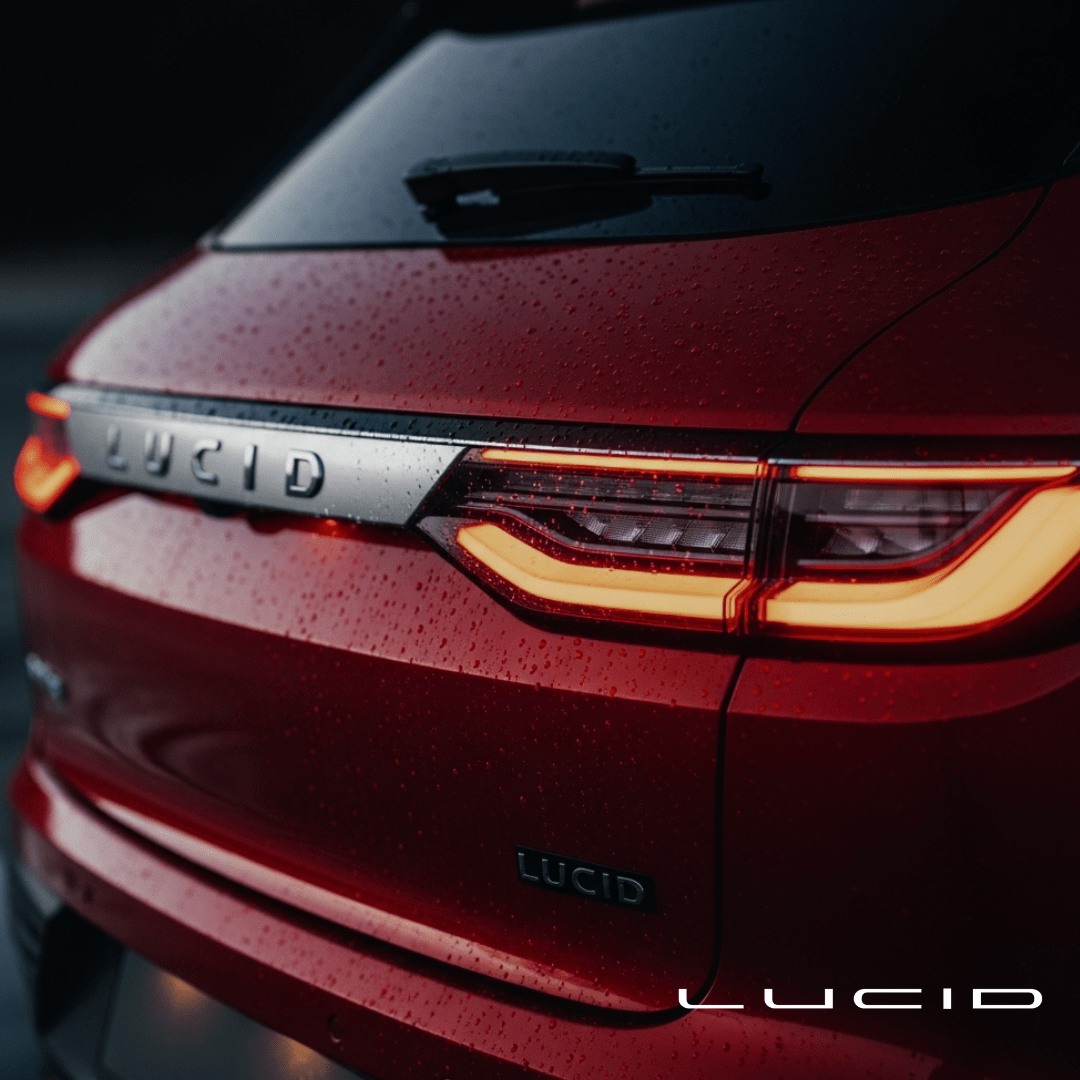
Paint matching OEM auto body repair is the process of replicating a vehicle’s original factory color, finish, and texture using manufacturer-approved paint formulas, application techniques, and certified equipment. When a collision repair is done correctly, you should never be able to tell where the damage was. When it is done poorly, the mismatch shows up in direct sunlight, under parking garage lights, and especially during a pre-purchase inspection. Studies from the Insurance Institute for Highway Safety show that cars with visible repair work lose 10 to 25 percent more resale value than those with invisible, factory-quality paint jobs. For California drivers spending $50,000 or more on a new vehicle, that gap can mean thousands of dollars lost at trade-in.
The problem is not that good paint matching is impossible. The problem is that most auto body repair shops skip the steps that make it accurate. They use generic paint codes instead of spectrophotometer readings. They spray single-stage when the factory used basecoat-clearcoat. They skip blending into adjacent panels, leaving a hard line where the new paint meets the old. If you are filing an insurance claim and your insurer pushes you toward their preferred shop, you need to know what questions to ask. Our guide on how to fight your insurance company on auto repair walks you through every step of that conversation.
KEY FACTS
- ✓ Modern cars use tri-coat, pearl, and metallic finishes that require spectrophotometer color analysis
- ✓ Aftermarket paint can fade 30-40% faster than OEM-spec formulas within 2 years
- ✓ Manufacturer certifications require shops to own and calibrate specific paint matching equipment
- ✓ Auto Collision Group holds 34+ manufacturer certifications and uses OEM paint processes on every repair
What Actually Happens During OEM Paint Matching at a Certified Collision Repair Shop
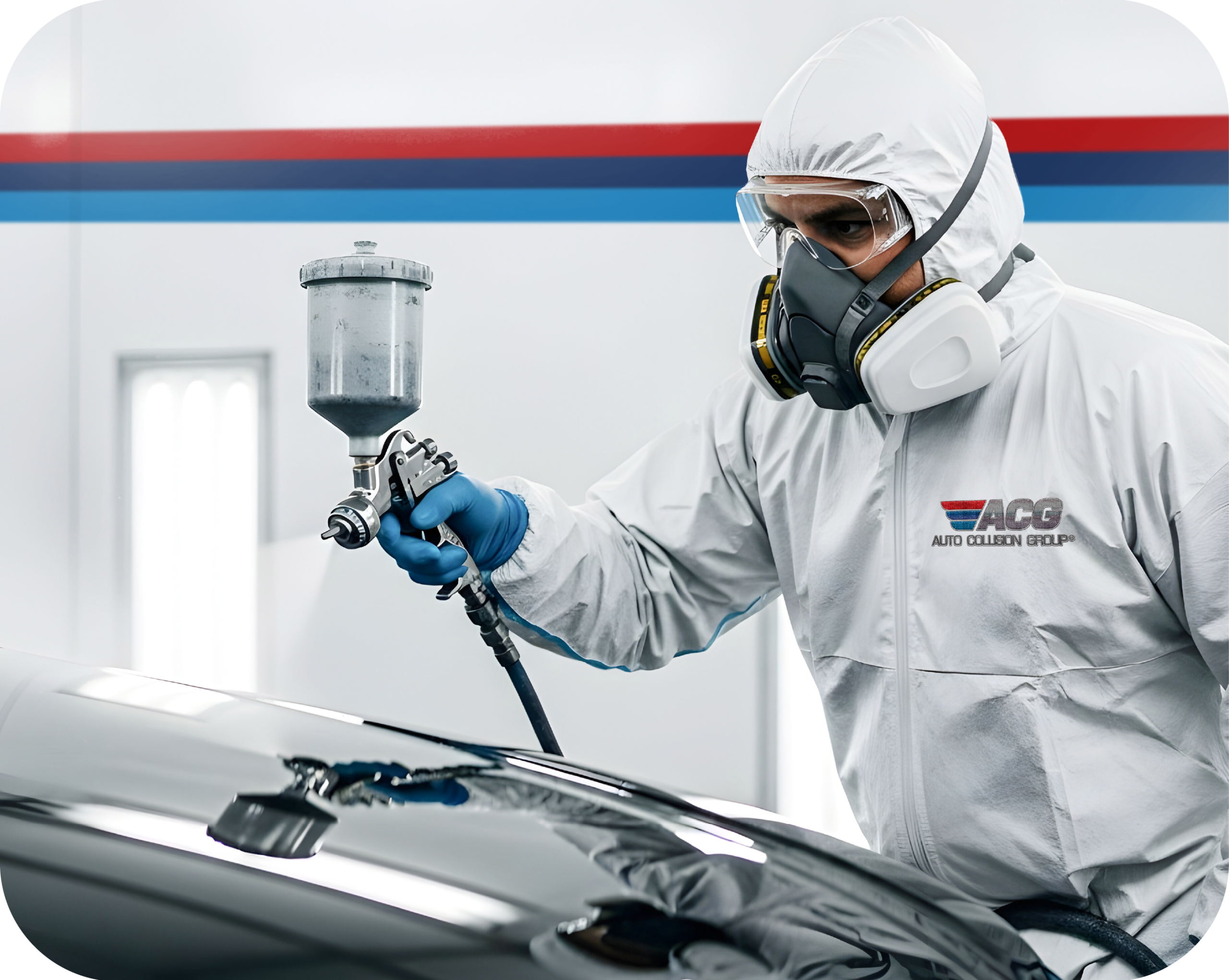
A factory paint job is not one single layer. It is a system. Primer, basecoat, color coat, and clearcoat all work together. Each layer has a specific thickness measured in mils (thousandths of an inch), and every manufacturer specifies different standards. BMW requires different clearcoat thickness than Toyota. Tesla’s water-based paint system behaves differently than a Porsche solvent-based finish. A certified auto body repair shop understands these differences because the manufacturer trained them on it. That training is not optional; it is the entire point of certification. At Auto Collision Group, our technicians start every paint matching OEM auto body repair job by scanning the damaged panel with a spectrophotometer. This device reads the exact color wavelength of your car’s current paint, accounting for UV exposure, age, and environmental wear. The paint code on your door jamb sticker only tells part of the story. Two identical cars built six months apart can show noticeable color variation because of batch differences at the factory. The spectrophotometer captures what the code cannot. From there, the technician mixes a custom formula and sprays test panels to verify the match under multiple light sources: daylight, fluorescent, and LED. Only after the test panel passes inspection does actual spraying begin.
- Spectrophotometer scan captures actual paint wavelength, not just the factory code
- Blending into adjacent panels eliminates visible edges between old and new paint
- OEM-spec clearcoat restores UV protection and gloss depth to factory standards
Why Aftermarket Paint Shortcuts Create Visible Mismatches That Hurt Resale Value
Insurance companies save money when shops use cheaper materials. That is not a conspiracy; it is their business model. An insurer might approve a repair estimate that specifies aftermarket basecoat instead of the manufacturer’s formula. The price difference can be $200 to $500 per panel. But what you save in premiums you lose at the dealership when you trade in. Aftermarket paint formulations use different pigment densities and binder chemistries than OEM formulas. The color may look acceptable on day one. Six months of California sun later, the repaired panel fades at a different rate than the rest of the car. You end up with a two-tone vehicle that screams prior damage to anyone who looks closely. Tri-coat and pearl finishes are especially vulnerable because they rely on multiple semi-transparent layers to create depth. If the shop does not apply the exact number of coats at the exact mil thickness, the “flip” of the color changes. The panel looks blue from one angle and green from another, while the rest of the car looks blue from every angle. Certified shops like Auto Collision Group fight insurers for OEM paint approval on every single job because we have seen what happens when corners get cut. Our Tesla body shop certification page explains how manufacturer training prevents exactly this kind of damage on aluminum-bodied EVs, where the paint system is even more specialized.
PRO TIP
“Before you pick up your car, look at the repaired panels from 10 feet away in direct sunlight. Then walk up close and check the orange peel texture against an undamaged panel. If the texture or shade looks off in either view, do not sign the release. A properly matched OEM repair should be invisible at every distance and every angle.”
How to Tell If Your Auto Body Repair Shop Can Actually Deliver Factory-Quality Paint Matching
Not every shop that claims “OEM quality” actually holds manufacturer certifications. The word “quality” is subjective. A certification is not. When a manufacturer like BMW, Tesla, or Mercedes-Benz certifies a collision repair facility, they audit the shop’s equipment, training records, repair procedures, and paint systems. The shop must own specific tools, including a downdraft spray booth with controlled temperature and humidity, a spectrophotometer, and manufacturer-approved paint lines. Technicians must complete ongoing training annually. If a shop cannot show you their certification documents, they are guessing at the process instead of following it. Ask to see the certificate. Ask which paint system they use. Ask if they blend into adjacent panels or just spray the damaged one. These three questions separate a real collision repair facility from a shop running on shortcuts.
Your insurance company may tell you that their “preferred shop” does the same work for less money. That claim deserves scrutiny. Preferred shops agree to discounted labor rates in exchange for a steady flow of referrals from the insurer. Those discounts have to come from somewhere. Usually they come from faster cycle times, fewer paint coats, and aftermarket materials. California law gives you the right to choose any licensed body shop, regardless of what your insurer recommends. You do not need pre-approval. You do not need to visit their preferred facility first. Our checklist for choosing the right auto body shop after an accident breaks down every factor you should evaluate, from certifications to warranty terms to paint matching OEM auto body repair capabilities.
Why California Drivers Choose Auto Collision Group
13
Locations in California
34+
Manufacturer Certifications
4.8★
Average Google Rating
OEM
Parts Only, Always
Auto Collision Group exists for one reason: to put your car back to factory condition and fight anyone who tries to cut corners on your repair. We use OEM parts exclusively on every job, from a bumper respray to a full structural rebuild. When your insurance adjuster pushes for aftermarket parts or generic paint, we push back. That is what our motto means: “We Fight For You. Not The Insurance Company.” Every one of our 13 California locations, from Whittier to Fresno to El Cajon, runs the same certified paint matching OEM auto body repair process. We offer free 24/7 towing from anywhere in California, a lifetime warranty on all repairs, help with rental car coordination, and free online estimates. Call 833-333-4224 or request your estimate online today.
Frequently Asked Questions
What is paint matching OEM auto body repair and why does it matter?
Paint matching OEM auto body repair means replicating your vehicle’s exact factory color, texture, and finish using manufacturer-specified formulas and equipment. It matters because a visible paint mismatch reduces resale value by 10 to 25 percent and can void certain manufacturer appearance warranties. Certified shops use spectrophotometers and controlled spray booths to achieve invisible repairs.
Will my insurance company pay for OEM paint matching?
Most policies cover OEM-quality repairs, but insurers often push shops toward cheaper aftermarket alternatives. California law allows you to choose your own body shop and request OEM materials. At Auto Collision Group, we negotiate directly with your insurer and fight for OEM paint approval on every estimate so you do not have to.
How do I know if a body shop uses real OEM paint processes?
Ask for manufacturer certification documents. A certified collision repair shop will have current certificates from the brands they service, plus equipment like a spectrophotometer and a climate-controlled downdraft spray booth. Auto Collision Group holds 34+ manufacturer certifications and uses OEM-spec paint systems exclusively across all 13 California locations.
How long does a proper OEM paint match repair take?
A single-panel repair with proper OEM paint matching typically takes 3 to 5 business days. Multi-panel repairs or tri-coat finishes may take longer because each layer needs adequate cure time between coats. Rushing the process causes solvent pop, orange peel, and premature clearcoat failure. Quality paint work cannot be shortcut without compromising the result.
Does Auto Collision Group handle my insurance claim?
Yes. Auto Collision Group works with every major insurer, including State Farm, Geico, Allstate, Progressive, Farmers, USAA, AAA, and Mercury. We handle all paperwork, fight for OEM parts, and advocate for a complete repair on your behalf. Call 833-333-4224 to get started.
Get Factory-Perfect Paint Matching at Any of Our 13 California Locations
Free estimate | 24/7 towing | Lifetime warranty | 13 California locations