 Skip to content
CERTIFIED COLLISION CENTER
Tesla Certified Collision Center California: Why the Shop You Pick Determines Your Car’s Future
Not every body shop can touch a Tesla without voiding warranties or creating hidden safety problems. Here is what a Tesla certified collision center in California actually does differently, and why it matters more than your insurance company wants you to know.
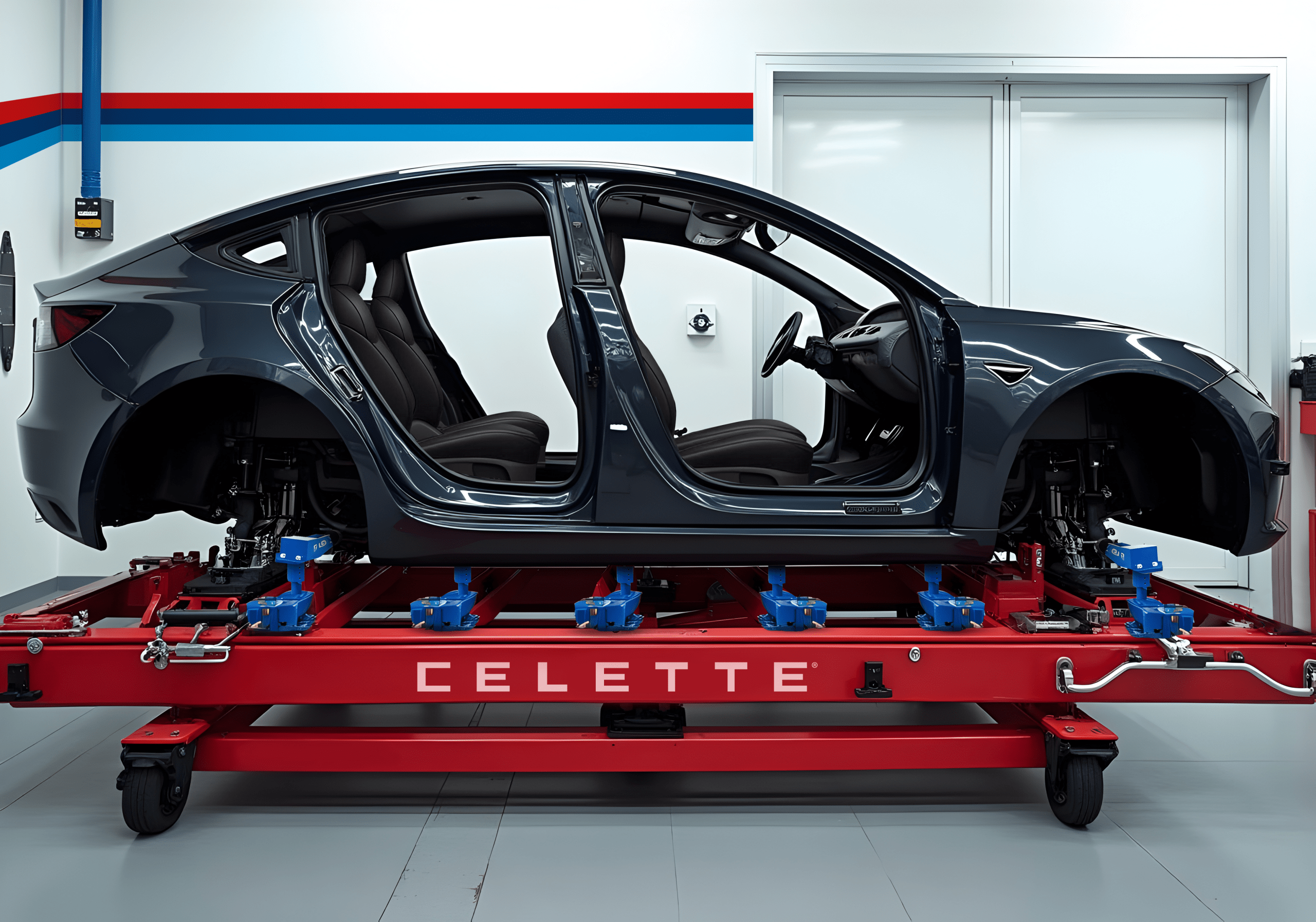
A Tesla certified collision center in California is a body shop that has passed Tesla’s own approval process, invested in factory-required equipment, and trained its technicians to repair Tesla vehicles according to exact manufacturer specifications. This is not a marketing badge. It is a technical qualification that fewer than 5% of collision repair shops in the state currently hold. Tesla requires certified shops to use specific riveting systems, aluminum welding stations, and calibration tools that most traditional body shops simply do not own. If your Tesla gets repaired at an uncertified shop, Tesla can flag the VIN in their system, which may affect warranty coverage and resale value down the line.
The reason this matters to California drivers specifically is volume. California has more registered Teslas than any other state, with over 900,000 on the road as of early 2025. That means more accidents involving Teslas, more insurance claims, and more pressure from insurers to send your car to their preferred shop instead of a certified one. You have the legal right to choose your own repair facility in California. Knowing how to find a qualified Tesla certified collision center in California, and understanding what separates a real certification from a shop that just “works on Teslas,” can save you thousands of dollars and serious headaches. For a deeper breakdown of what the certification process involves, read our guide on what Tesla certification actually means for your repair.
KEY FACTS
- ✓ Tesla requires specific aluminum repair equipment that costs $150,000+
- ✓ California law lets YOU choose your body shop, not your insurer
- ✓ Uncertified repairs can flag your VIN and affect warranty claims
- ✓ Auto Collision Group holds Tesla certification across 13 California locations
What Tesla Requires From a Certified Collision Repair Shop
Tesla does not hand out certifications loosely. The approval process starts with an investment in specialized equipment that most body shops cannot justify unless they are already handling high volume. We are talking about dedicated aluminum clean rooms that prevent cross-contamination with steel dust, because even microscopic steel particles on an aluminum Tesla panel will cause galvanic corrosion within months. Shops need Tesla-approved rivet guns, flow-form rivet systems, and structural adhesive dispensers calibrated to exact specifications. The welding equipment alone, specifically the aluminum pulse MIG welders and squeeze-type resistance spot welders Tesla requires, represents a six-figure investment. Beyond tools, every technician working on your car must complete Tesla’s own training program and pass ongoing recertification. Tesla also requires certified shops to use their repair procedures database in real time, pulling the exact instructions for your specific vehicle, your specific model year, and your specific damage pattern. There is no guessing. There is no “we have done this before so we know how.” The procedures update frequently, and certified shops must follow the current version for every single repair. This level of control is why a Tesla certified collision center produces results that hold up over time, while a shop cutting corners will leave you with panels that do not fit right, sensors that misread, and paint that does not match.
- Aluminum clean room prevents corrosion from steel particle contamination
- Tesla-specific rivet and adhesive systems replace traditional welding on structural panels
- Real-time access to Tesla repair procedures database for every job
Why Your Insurance Company Wants You at a Different Shop
Here is the part nobody at your insurance company will explain. When a Tesla gets damaged, the insurer’s goal is to close the claim for the lowest dollar amount possible. Certified shops that follow Tesla’s repair procedures and use OEM parts exclusively cost more than an uncertified shop willing to use aftermarket panels and skip calibration steps. That cost difference is real; a rear bumper repair on a Model 3 can run $2,000 to $4,000 more at a certified facility because of the parts quality and the additional calibration required for cameras and sensors. Insurance adjusters are trained to steer you toward their Direct Repair Program (DRP) shops. These are shops that have agreements with the insurer to keep costs low, often by using aftermarket or reconditioned parts and cutting labor time on estimates. The problem is that on a Tesla, those shortcuts create real dangers. Tesla’s Autopilot system relies on cameras and radar modules that must be recalibrated after almost any structural repair. Skip that step, and your car’s emergency braking or lane departure system may not function correctly. At Auto Collision Group, we fight insurers daily over this exact issue. We refuse aftermarket parts on every Tesla repair, and we will not release a vehicle until every sensor is calibrated to factory standards. If you want to start your claim process right now, you can submit a free estimate online before even talking to your adjuster.
PRO TIP
“Never let your insurance company tell you where to take your Tesla. In California, you have the legal right to choose your own shop. Pick a Tesla certified facility, tell your adjuster, and let the shop handle the rest. That single decision protects your warranty, your safety systems, and your resale value.”
How to Verify a Shop Is Actually Tesla Certified in California
A surprising number of shops in California claim to be “Tesla approved” or say they “specialize in Tesla repairs” without holding actual certification. The difference matters. Tesla maintains a public list of certified collision centers on their website, and you can search it by zip code. If a shop is not on that list, they are not certified, period. It does not matter how many Teslas they claim to have fixed. Certification is binary; you either passed Tesla’s audit and invested in the required equipment, or you did not. When you call a shop, ask specific questions. Do they have a dedicated aluminum repair area? Can they show you their Tesla certification documents? Do they pull repair procedures from Tesla’s system for every job? A certified shop will answer yes to all three without hesitation.
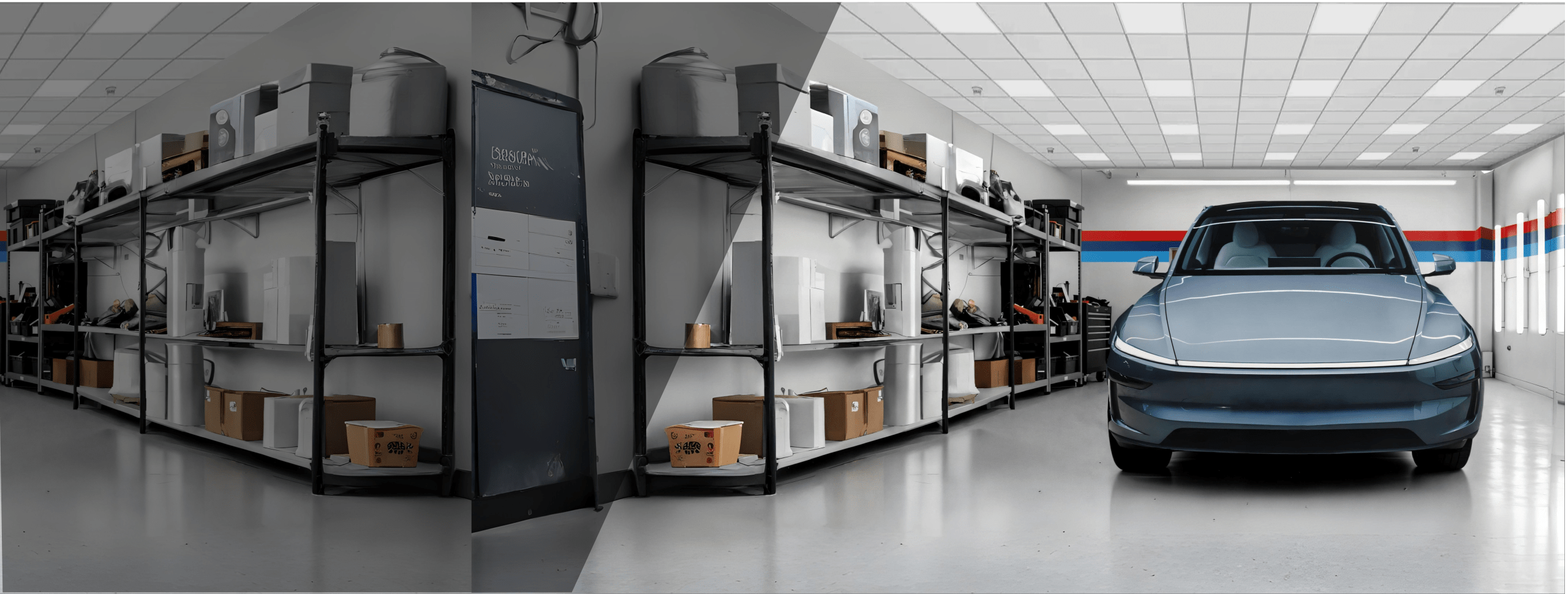
Another thing to check is whether the shop uses OEM Tesla parts or substitutes aftermarket components. This is the single biggest area where uncertified shops cut costs, and where your vehicle suffers the most. Aftermarket bumper covers, for example, often have slightly different dimensions that affect sensor alignment. A gap of even 2 millimeters on a bumper-mounted radar housing can cause phantom braking or missed obstacle detection. At Auto Collision Group, our Tesla certified collision center locations across California all maintain separate aluminum repair environments and use OEM parts on every single Tesla repair. If you are near the Inland Empire, our Tesla certified body shop in Whittier is our flagship location with the highest Tesla repair volume in our network.
Why California Drivers Choose Auto Collision Group
13
Locations in California
34+
Manufacturer Certifications
4.8★
Average Google Rating
OEM
Parts Only, Always
Auto Collision Group exists to fight for the vehicle owner, not the insurance company. That is not a slogan; it is how we operate every day. When an adjuster tries to authorize aftermarket parts on your Tesla, we push back and document why OEM parts are required. We handle all claim paperwork so you do not have to argue with your insurer. Every repair comes with a lifetime warranty, and we offer free 24/7 towing from anywhere in California to the nearest ACG location. With 13 shops from El Cajon to Fresno, from Whittier to Bakersfield, there is a Tesla certified collision center in our network within reach of most California drivers. Call us at 833-333-4224 or submit an online estimate to get the process started before your next call with the adjuster.
Frequently Asked Questions
What makes a Tesla certified collision center different from a regular body shop in California?
A Tesla certified collision center has invested in aluminum-specific repair rooms, Tesla-approved rivet and adhesive equipment, and factory-trained technicians. Regular shops typically lack these tools and training. Certified shops also pull real-time repair procedures from Tesla’s database for every single job, which ensures the repair matches factory standards exactly.
Will my insurance cover repairs at a Tesla certified collision center?
Yes. California law gives you the right to choose any licensed body shop for your repair, and your insurer must honor that choice. Your insurance company may suggest their preferred shop, but you are not required to go there. Auto Collision Group works directly with State Farm, Geico, Allstate, Progressive, Farmers, USAA, AAA, Mercury, and every other major insurer.
Does Auto Collision Group use OEM parts on Tesla repairs?
Always. Auto Collision Group uses OEM Tesla parts on every repair without exception. We refuse aftermarket and reconditioned parts because they can compromise sensor calibration, panel fit, and long-term corrosion protection. When insurers push back on OEM authorization, we fight on your behalf to get proper parts approved.
How long does a typical Tesla collision repair take in California?
Repair timelines depend on damage severity and parts availability. Minor bumper and fender repairs typically take 5 to 10 business days. Structural repairs involving aluminum panel replacement, sensor recalibration, and paint matching can take 3 to 6 weeks. Tesla parts supply chains have improved significantly since 2023, but some components still require longer lead times.
Does Auto Collision Group handle my insurance claim?
Yes. Auto Collision Group works with every major insurer, including State Farm, Geico, Allstate, Progressive, Farmers, USAA, AAA, and Mercury. We handle all paperwork, fight for OEM parts, and advocate for a complete repair on your behalf. Call 833-333-4224 to get started.
Find a Tesla Certified Collision Center Near You in California
Free estimate | 24/7 towing | Lifetime warranty | 13 California locations