 Skip to content
CERTIFIED COLLISION CENTER
Luxury Car Collision Repair in California: Why Certification Matters More Than You Think
Your BMW, Mercedes, or Audi was engineered to exacting standards. After an accident, the shop you choose determines whether it stays that way or loses thousands in value overnight.
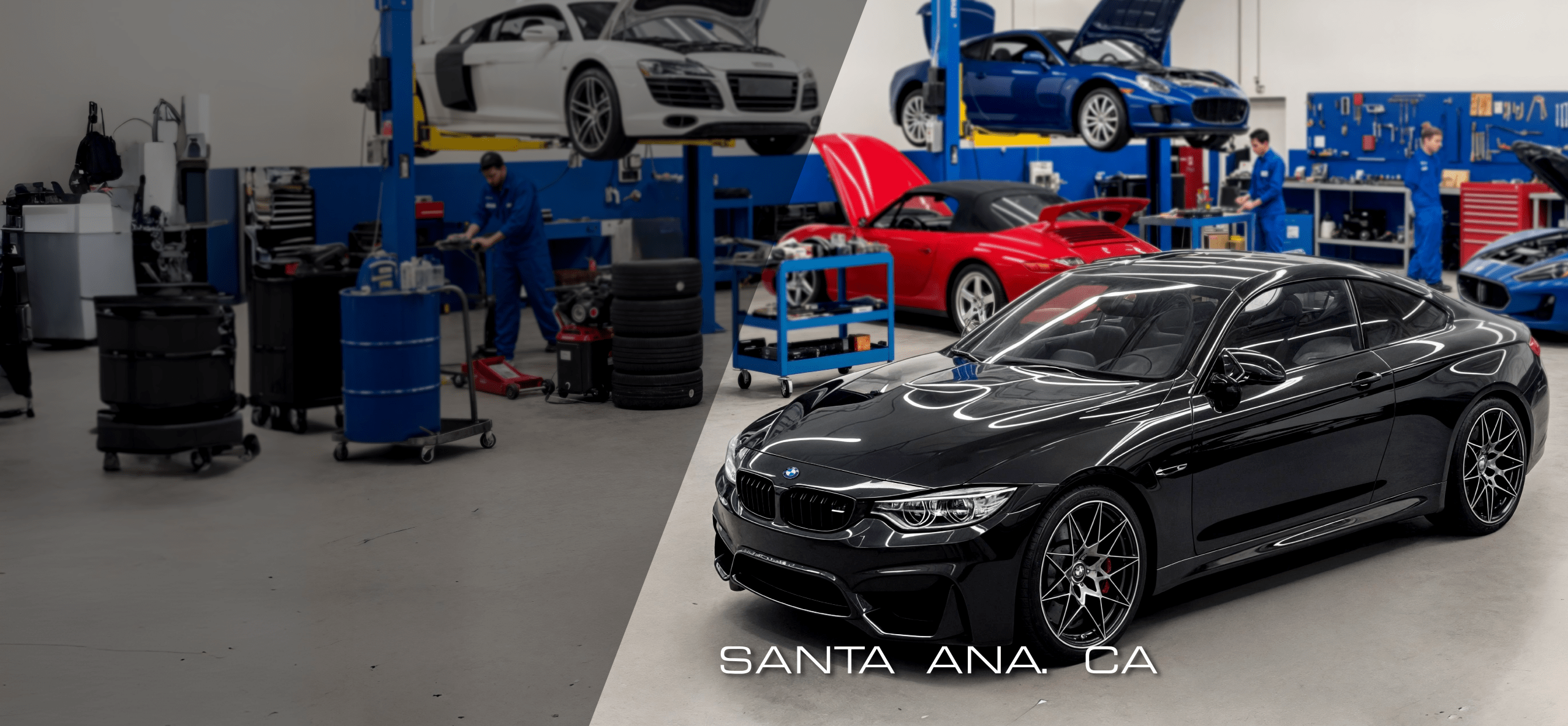
Luxury car collision repair in California is the process of restoring high-end vehicles to factory specifications using manufacturer-approved equipment, OEM parts, and trained technicians who hold brand-specific certifications. This is not a minor distinction. Modern luxury cars contain aluminum-intensive body structures, integrated radar sensors, and advanced driver-assistance systems that a general body shop simply cannot recalibrate or repair correctly. A single missed step during structural work on a BMW 7 Series or Mercedes S-Class can disable safety systems, void your factory warranty, and slash resale value by 20% or more. In California, where luxury vehicles represent a significant share of registered cars, choosing the wrong collision center after an accident is one of the most expensive mistakes a driver can make.
The difference between a certified collision center and an uncertified one comes down to accountability. When a shop earns certification from BMW, Mercedes-Benz, Audi, or Porsche, the manufacturer audits that facility regularly. They verify the equipment, inspect technician training records, and confirm that only OEM parts are being installed. An uncertified shop has no such oversight, and the consequences fall on you, the vehicle owner. If you want to understand how this same logic applies to other premium brands, take a look at our guide on Lexus collision repair and how to protect your investment after an accident.
KEY FACTS
- ✓ Modern luxury cars use 8+ types of metals and composites that require brand-specific welding protocols
- ✓ Aftermarket parts can reduce crash protection by up to 22% according to IIHS testing
- ✓ ADAS recalibration requires manufacturer-grade scan tools costing $30,000+
- ✓ Auto Collision Group holds 34+ manufacturer certifications across 13 California locations
What Makes a Certified Collision Center for BMW, Mercedes, and Audi Different
A certified collision center for BMW, Mercedes, or Audi near you is not just a body shop that claims to work on European cars. Certification means the manufacturer itself has inspected the facility and confirmed it meets strict requirements for equipment, training, and repair procedures. For BMW, that means owning a BMW-approved aluminum repair station, a dedicated clean room for structural bonding, and technicians who complete annual I-CAR and BMW-specific training courses. Mercedes-Benz requires shops to invest in proprietary diagnostic tools like the XENTRY system to properly code and recalibrate modules after a collision. Audi demands separate aluminum repair bays because mixing steel dust with aluminum panels causes galvanic corrosion that eats through body panels within months. According to a 2023 SCRS (Society of Collision Repair Specialists) report, only about 5% of body shops nationwide hold even one OEM certification. The investment required, often $150,000 to $500,000 in tooling alone, keeps most shops from qualifying. That gap between certified and uncertified is where vehicle owners get hurt financially. A repair done without proper procedures might look fine at pickup, but structural integrity, sensor accuracy, and corrosion protection can all be compromised underneath.
- Certified shops follow the exact repair procedures published by the vehicle manufacturer for every single job
- Technicians at certified facilities complete brand-specific training that general mechanics never receive
- Every certified repair creates a documented trail that protects your warranty and resale value
OEM Parts vs. Aftermarket: The Hidden Cost of Cheap Collision Repairs
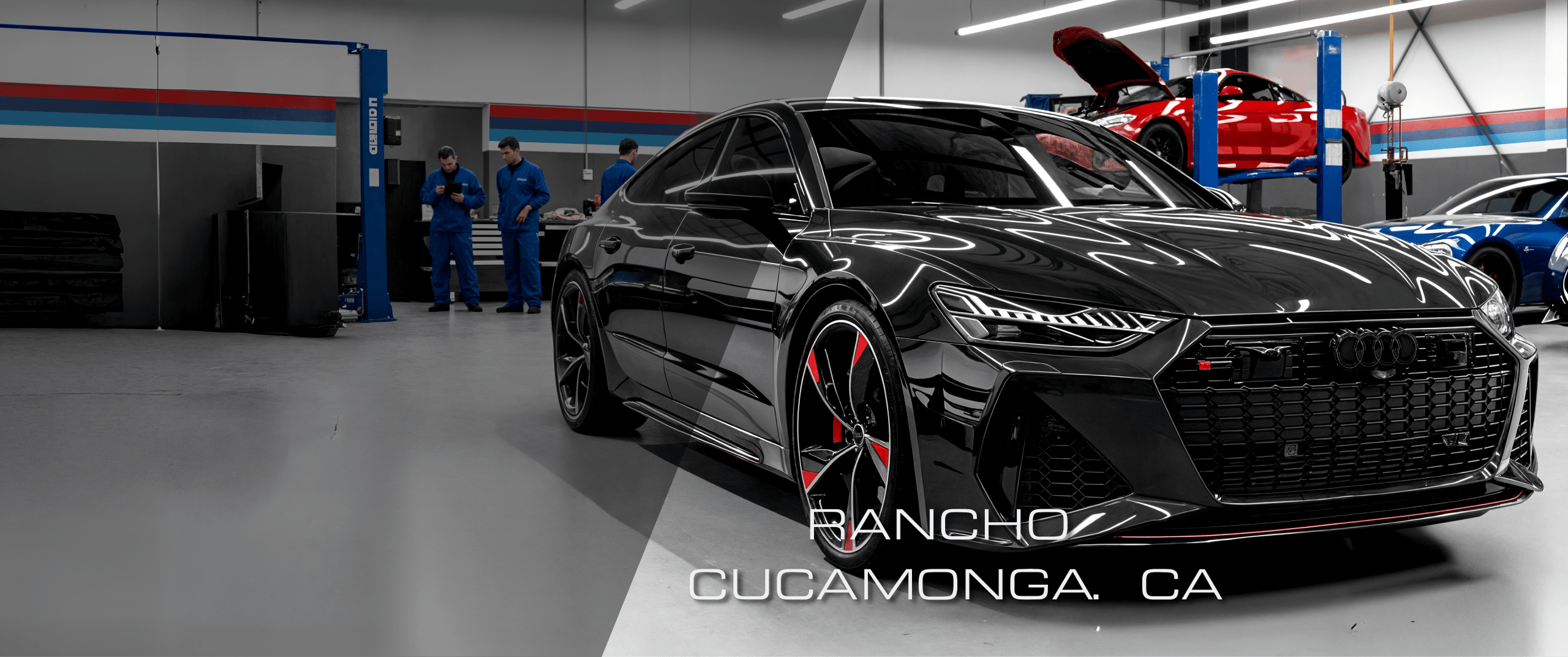
The single biggest battle in luxury car collision repair in California happens over parts. Insurance adjusters routinely push for aftermarket or reconditioned components because they cost 30% to 60% less than OEM (Original Equipment Manufacturer) parts. On a Honda Civic, the difference may be cosmetic. On a Mercedes-Benz E-Class, it can be dangerous. Aftermarket bumper reinforcements often fail to meet the same crash energy absorption specs as the factory part. Non-OEM headlamp assemblies may look identical but fail to aim correctly, creating blind spots and failing state inspection. For vehicles like the Audi e-tron or Porsche Taycan, aftermarket high-voltage components simply do not exist from reputable sources, and using unverified parts on an 800-volt electrical system is a genuine safety hazard. At Auto Collision Group, we install OEM parts exclusively on every repair, regardless of what the insurance company prefers. When an adjuster writes an estimate with aftermarket parts, our team fights that decision directly, documenting why factory components are required for a safe, proper repair. This is not a sales pitch; it is the core of our philosophy: We Fight For You. Not The Insurance Company. We have seen too many vehicles come to us as re-repairs after another shop used cheap parts that failed within a year. If you want to understand the full process of working with your insurer during a collision claim, read our breakdown of how State Farm approved body shops work in California.
PRO TIP
“In California, you have the legal right to choose any body shop you want, no matter what your insurance company says. Never let an adjuster steer you to their preferred shop when your luxury vehicle needs a certified facility. That ‘preferred’ shop saves the insurer money, not you.”
How to Choose the Right Shop for Luxury Car Collision Repair in California
Start by verifying certifications directly. Do not take a shop’s word for it. Every major manufacturer maintains a public database or locator tool on their website where you can confirm which facilities hold active certification. Check for the specific brand you drive, not just a general I-CAR Gold Class plaque on the wall. Next, ask about parts policy in writing. A shop that says “we use OEM when possible” is telling you they default to aftermarket when the insurer pushes back. You want a shop that says “we use OEM, period” and is willing to negotiate directly with the insurance company on your behalf. Finally, look at the facility itself. Certified shops for brands like Tesla, Porsche, and Audi must have dedicated aluminum repair areas with separate ventilation and tools. If you see one open bay where all vehicles are worked on together, that shop is not following manufacturer protocols regardless of what their website claims.
Ask about ADAS recalibration capabilities. Modern luxury vehicles pack cameras, radar, and lidar sensors into bumpers, windshields, and mirror housings. After any collision repair that moves or replaces those components, the entire system needs recalibration using manufacturer-grade tools. A shop that sends your car to a third-party sublet for recalibration adds time, cost, and another point of failure. The best certified collision centers handle recalibration in-house with the exact same diagnostic platform the dealership uses. Warranty documentation matters, too. Ask whether the shop provides a written lifetime warranty on their repairs and whether that warranty covers both labor and parts. For a deeper look at what to evaluate before handing over your keys, our complete 2025 checklist for choosing a body shop after an accident walks you through every question to ask.
EVs and Aluminum Bodies: Why Luxury Collision Repair Has Changed Forever
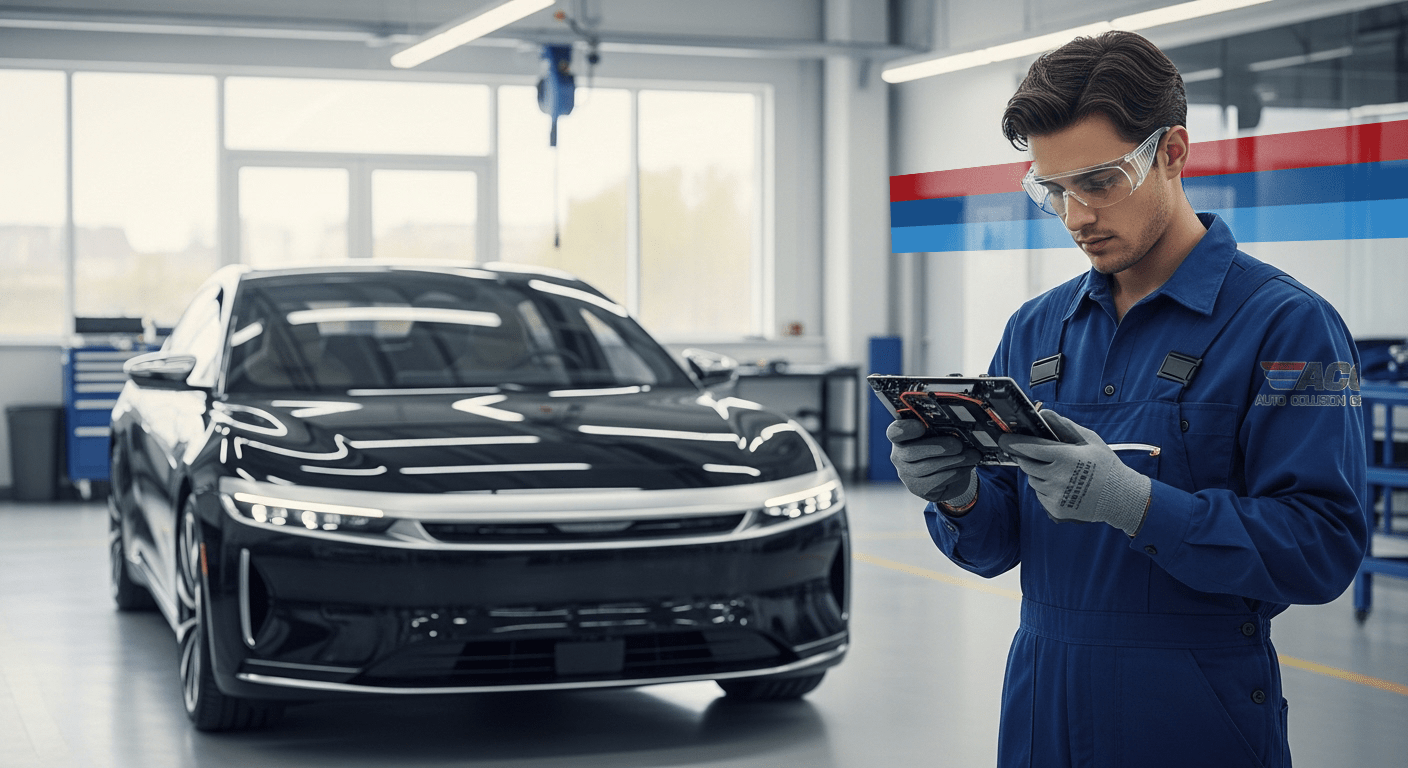
Electric luxury vehicles have raised the bar for collision repair even higher. The Tesla Model S, Lucid Air, Porsche Taycan, and BMW iX all use aluminum-intensive or mixed-material body structures that cannot be repaired with traditional steel tools and techniques. Aluminum repair requires a completely isolated workspace. Steel particles from grinding or welding in the same area will contaminate aluminum panels, causing corrosion that spreads invisibly beneath the paint. That is why manufacturers require certified shops to maintain separate aluminum repair bays with dedicated tools, rivet guns, and adhesive bonding equipment that never touch steel vehicles. Beyond the body structure, electric vehicles add high-voltage battery packs that sit underneath the passenger compartment. Even a moderate undercarriage impact can compromise battery housing seals, creating risks of thermal events if the damage goes undetected. Certified technicians know how to inspect, isolate, and safely work around these systems. An uncertified tech who does not follow proper high-voltage lockout procedures is risking their own life and your vehicle’s safety. At ACG, our technicians hold specialized EV certifications for brands including Tesla, Lucid, BMW, and Porsche. We invested in aluminum clean rooms and manufacturer-required riveting systems specifically because luxury car collision repair in California increasingly means working on electric vehicles. For a detailed look at what Tesla-specific certification involves, check out our guide on Tesla body shop certification and why it matters.
Why California Drivers Choose Auto Collision Group
13
Locations in California
34+
Manufacturer Certifications
4.8★
Average Google Rating
OEM
Parts Only, Always
Auto Collision Group exists because we believe luxury car owners deserve a shop that fights on their side. With 34+ manufacturer certifications covering BMW, Mercedes-Benz, Audi, Porsche, Tesla, Lucid, Maserati, Jaguar, Land Rover, and dozens more, ACG is one of the most broadly certified collision repair networks in California. We use OEM parts on every single repair, and when an insurance adjuster tries to substitute cheaper alternatives, our estimators push back with documented proof of why factory parts are required. Every repair comes with a lifetime warranty on workmanship. We offer free 24/7 towing from anywhere in California and assist with rental car coordination so your life is not on hold while your vehicle is in the shop. With 13 locations from El Cajon to Fresno, Bakersfield to Los Angeles, there is an ACG facility near you. Call 833-333-4224 for a free estimate or to schedule a drop-off today.
Frequently Asked Questions
Why does luxury car collision repair in California cost more than standard body work?
[accordion-item title=”Will my insurance cover repairs at a certified BMW or
Luxury vehicles require manufacturer-specific equipment, OEM parts, and technicians with brand-level certifications. Aluminum repair bays, specialized riveting tools, and diagnostic systems like the Mercedes XENTRY platform cost shops hundreds of thousands of dollars to acquire and maintain. Those investments ensure your vehicle is repaired to factory safety and performance standards, which is why the cost reflects the work involved.