 Skip to content
CERTIFIED COLLISION CENTER
How to Find the Right Auto Body Shop in Los Angeles County Without Getting Ripped Off
Choosing the wrong auto body shop in Los Angeles County can cost you thousands in botched repairs and destroyed resale value. Here is what the industry does not want you to know.
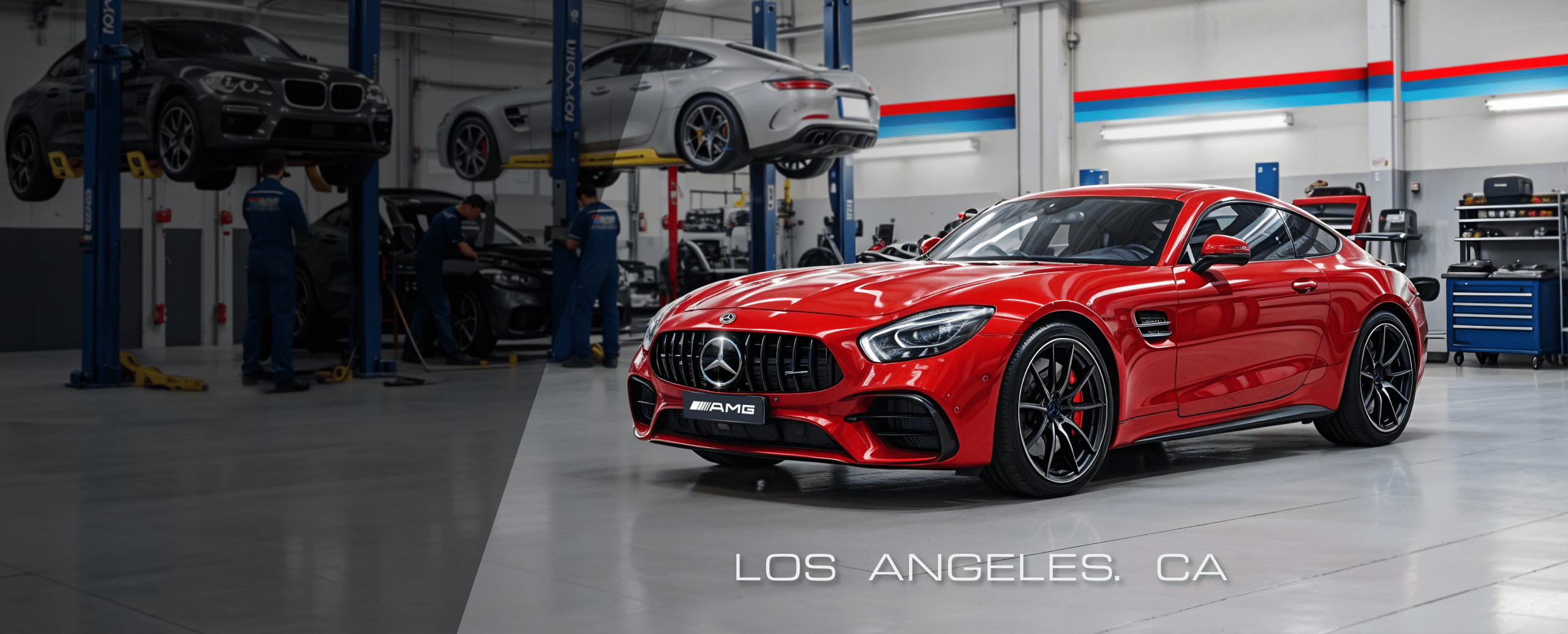
An auto body shop in Los Angeles County is a licensed collision repair facility that restores damaged vehicles to their pre-accident condition using manufacturer-approved techniques and materials. Los Angeles County has more than 10 million residents and some of the highest traffic density in the United States, which means fender benders, rear-end collisions, and sideswipes happen every single day on freeways like the 605, the 60, and the 5. Not every shop that hangs a sign is qualified to fix your car correctly. The difference between a proper repair and a cheap patch job can mean $5,000 or more in lost resale value, plus serious safety risks if structural components are not restored to factory specs. Drivers across the county, from Whittier to Santa Monica, face the same challenge: finding a shop that actually fights for a complete repair instead of cutting corners to keep insurance companies happy.
The truth most people do not hear until it is too late is that insurance companies have financial incentives to steer you toward their preferred shops, where labor rates are discounted and aftermarket parts are standard. California law gives you the absolute right to choose any shop you want. Nobody can force you to go to a specific facility. That right matters because the shop you pick determines whether your car gets OEM parts or cheap imitations, whether hidden damage gets found or ignored, and whether your repair holds up five years from now. If you drive a Toyota, for example, taking it to a Toyota Certified Body Shop in Los Angeles, CA means technicians follow the exact procedures Toyota engineers designed for your vehicle.
KEY FACTS
- ✓ California law guarantees your right to choose any body shop
- ✓ Aftermarket parts can reduce your car’s resale value by up to 20%
- ✓ Manufacturer-certified shops follow factory repair procedures exactly
- ✓ Auto Collision Group holds 34+ manufacturer certifications across 13 California locations
OEM Parts vs. Aftermarket Parts: Why This Single Decision Changes Everything
When you bring your car to an auto body shop in Los Angeles County, the biggest question that determines repair quality is the parts going onto your vehicle. OEM parts (Original Equipment Manufacturer) are made by the same company that built your car. They fit perfectly, match factory tolerances, and maintain the engineering integrity your vehicle was designed around. Aftermarket parts are made by third-party companies trying to replicate the original at a lower cost. Sometimes the fit is close. Often it is not. Gaps between panels, paint that does not quite match, clips that break six months later; these are signs of aftermarket parts installed to save your insurance company money, not to protect you. According to a 2023 study by the Certified Automotive Parts Association, fitment issues appear in roughly 30% of aftermarket structural components. That is not a small number when we are talking about parts that protect you in a crash. Insurance adjusters push aftermarket parts because they cost 25% to 50% less. They will tell you the parts are “equivalent.” They are not. A bumper reinforcement bar made to slightly different specs may pass a visual inspection but fail under impact exactly where it matters most. This is why shops that actually care about your safety will go to bat with the insurance company to get OEM parts approved.
- OEM parts maintain your vehicle’s crash safety ratings as designed by the manufacturer
- Aftermarket panels often require extra labor to fit, which can mean hidden cost increases down the line
- Using OEM parts preserves your factory warranty and your car’s resale value at trade-in
What Manufacturer Certification Actually Means for Your Repair
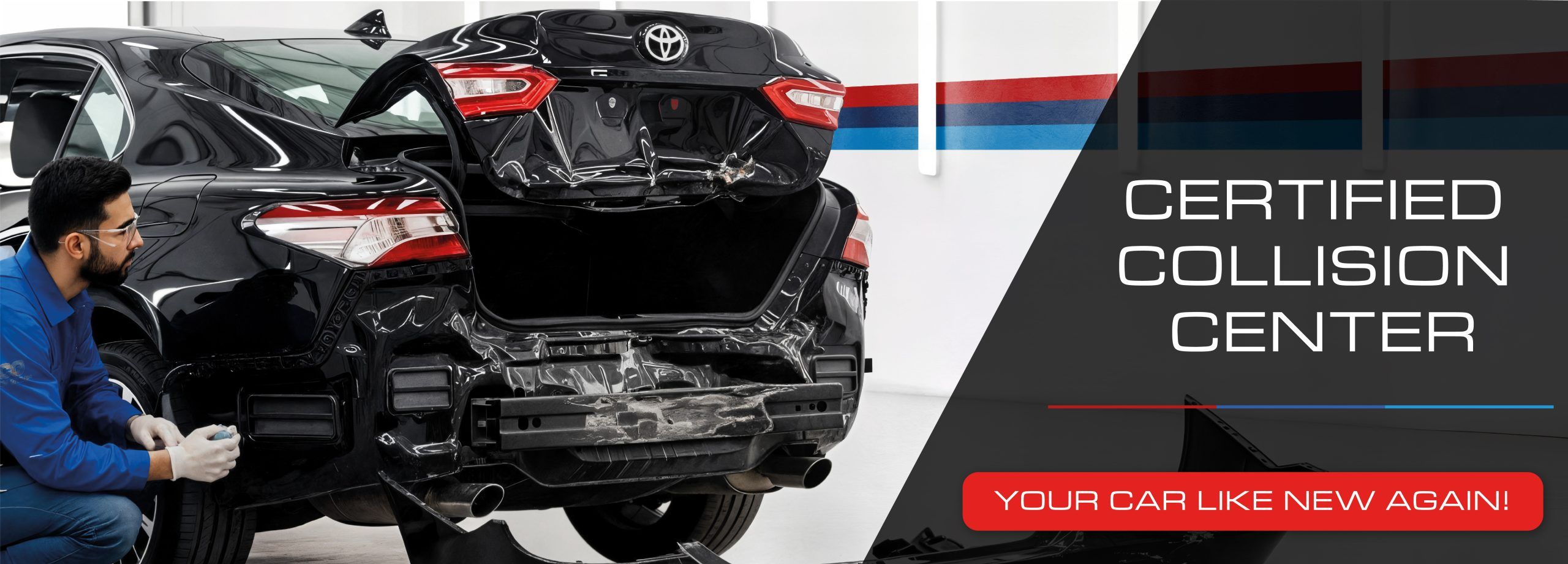
Not every auto body shop in Los Angeles County can call itself manufacturer-certified, and for good reason. Earning a certification from brands like Tesla, BMW, or Hyundai requires major investment. The shop must buy brand-specific welding equipment, send technicians through factory training programs, maintain dedicated clean rooms for aluminum work, and pass regular audits. A shop that holds certification from a specific automaker has proven to that company it can restore vehicles to factory standards. This matters because modern cars are built with advanced high-strength steel, aluminum alloy panels, and mixed-material construction that cannot be repaired with old-school techniques. Heating the wrong section of a high-strength steel rail, for example, changes the metal’s molecular structure and weakens it permanently. A certified technician knows this. A shop cutting corners does not care. If you drive a Hyundai and you are in the Whittier area, bringing your vehicle to a Hyundai Certified Body Shop in Whittier, CA ensures every procedure follows Hyundai’s exact repair specifications. The same applies across every make. Auto Collision Group holds 34+ manufacturer certifications, which is one of the highest counts of any collision repair network in California. That is not a marketing claim; it is a verifiable fact you can confirm through each manufacturer’s certified shop locator. Each certification means specific equipment, specific training, and specific accountability to the automaker itself.
PRO TIP
“Before you sign anything at any body shop, ask one question: ‘Will you use OEM parts and follow the manufacturer’s repair procedures?’ If they hesitate or say ‘it depends on what insurance approves,’ walk out. That shop works for the insurer, not for you.”
Five Red Flags When Choosing a Collision Repair Shop in LA County
The first red flag is a shop that gives you an estimate without physically inspecting the car. Damage hides behind bumper covers, inside fender wells, and beneath trim panels. A shop that quotes you a price from a photo alone is guessing, and that guess will either go up later or, worse, they will skip the hidden damage entirely. The second warning sign is a shop that refuses to provide a written warranty. If a facility trusts its own work, it backs that work in writing. No warranty means no confidence. Third, watch for any shop that tells you that you must go through a specific insurer’s preferred network. That is not true under California law. You pick the shop. Period.
Fourth, be cautious of shops with no manufacturer certifications at all. While certification is not legally required, it is the only independent verification that a shop meets modern repair standards. A 2024 survey by Collision Advice found that certified shops identified 28% more hidden damage on average compared to non-certified facilities. That hidden damage, if missed, becomes your problem the moment your car leaves the lot. Fifth, avoid any shop that discourages you from getting a second opinion. Honest shops welcome it. If you drive a Nissan or Kia, checking whether a shop holds brand-specific credentials matters. A Kia Certified Body Shop in Los Angeles, CA follows different repair procedures than a generic shop that works on every brand with the same generic approach.
Why California Drivers Choose Auto Collision Group
13
Locations in California
34+
Manufacturer Certifications
4.8★
Average Google Rating
OEM
Parts Only, Always
Auto Collision Group operates 13 locations across California, with our headquarters right here in Whittier. We are not a typical auto body shop in Los Angeles County. We fight insurance companies daily to make sure your vehicle gets OEM parts, not cheap substitutes. Our motto says it plainly: “We Fight For You. Not The Insurance Company.” Every repair comes with a lifetime warranty. We offer free 24/7 towing from anywhere in California, so if your accident happens at 2 AM on the 101, we will come get your car. We help with rental car coordination. We handle all insurance paperwork directly so you do not have to argue with adjusters. With a 4.8-star Google rating across 127+ reviews, our track record speaks for itself. Call 833-333-4224 or request a free online estimate to see the difference a certified, OEM-only shop makes.
Frequently Asked Questions
How do I find a trustworthy auto body shop in Los Angeles County?
Look for manufacturer certifications, a written lifetime warranty, and a policy of using OEM parts exclusively. Check Google reviews for patterns, not just star ratings. A shop that holds multiple automaker certifications has invested heavily in proper equipment and training, which tells you they are committed to doing repairs correctly rather than quickly.
Will my insurance cover repairs at any body shop I choose?
Yes. California Insurance Code Section 758.5 guarantees your right to choose any licensed body shop. Your insurer cannot force you to use their preferred facility or penalize you for going elsewhere. If an adjuster pressures you to switch shops, that is a violation of state law. Choose the shop you trust, not the one your insurer recommends.
Why does Auto Collision Group only use OEM parts?
OEM parts are engineered to fit your specific vehicle and meet crash safety standards set by the manufacturer. Aftermarket parts often have fitment issues and are not tested to the same impact specifications. Auto Collision Group uses OEM parts exclusively because we refuse to compromise your safety or your vehicle’s resale value, even when insurance companies push back.
How long does a typical collision repair take in Los Angeles County?
Repair timelines depend on the extent of damage, parts availability, and insurance approval speed. Minor repairs like a bumper replacement typically take 3 to 5 business days. Major structural work can take 2 to 4 weeks. At ACG, we provide regular updates throughout the process so you always know where your repair stands and when to expect your car back.
Does Auto Collision Group handle my insurance claim?
Yes. Auto Collision Group works with every major insurer, including State Farm, Geico, Allstate, Progressive, Farmers, USAA, AAA, and Mercury. We handle all paperwork, fight for OEM parts, and advocate for a complete repair on your behalf. Call 833-333-4224 to get started.
Need a Trusted Auto Body Shop in Los Angeles County? We Are Ready.
Free estimate | 24/7 towing | Lifetime warranty | 13 California locations