 Skip to content
CERTIFIED COLLISION CENTER
Can I Choose My Own Body Shop in California? What Your Insurance Company Does Not Want You to Know
California law protects your right to pick any licensed body shop for collision repairs. Insurance adjusters will never volunteer that information, so here is exactly what you need to know before signing anything.
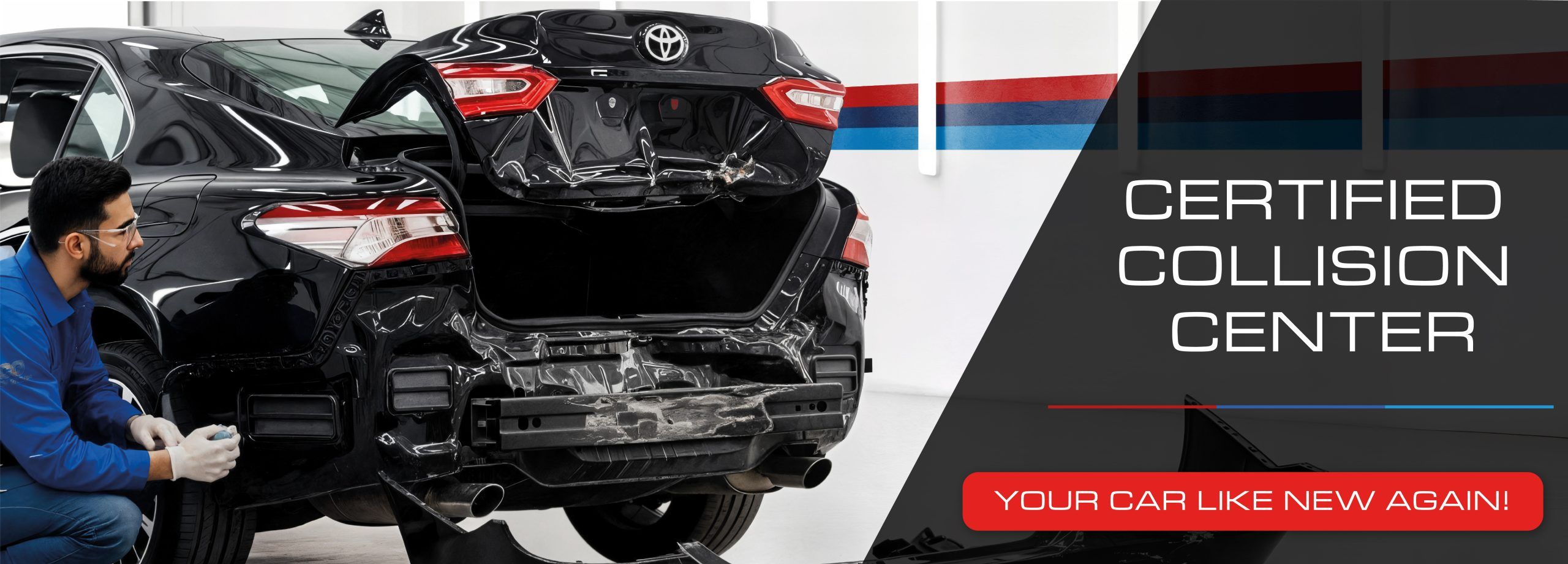
Choosing your own body shop for a California insurance claim is a legal right protected under California Insurance Code Section 758.5. The law is clear: no insurer can require you, pressure you, or steer you toward a specific repair facility. If you have been asking “can I choose my own body shop California insurance,” the answer is an absolute yes. Every licensed collision center in the state is a valid option, whether it appears on your insurer’s preferred list or not. Your policy, your car, your choice. Despite this protection, adjusters routinely push drivers toward their own direct repair program shops because those agreements save the insurance company money, not because they produce better repairs.
The reason insurance companies steer you is simple economics. DRP shops agree to discounted labor rates and often accept aftermarket or used parts to keep costs low for the insurer. That discount comes directly out of your repair quality. Independent shops that answer to you, not to an insurance contract, have no reason to cut corners. If your insurer has already tried to deny or limit your shop choice, read our detailed breakdown on whether an insurance company can deny your body shop choice in California. The short version: they cannot.
KEY FACTS
- ✓ California Insurance Code 758.5 guarantees your right to choose any body shop
- ✓ Insurers cannot reduce payment just because you picked a non-DRP shop
- ✓ DRP shops agree to insurer-set labor rates and part sourcing rules
- ✓ Auto Collision Group holds 34+ manufacturer certifications and fights for OEM parts on every claim
Insurance Preferred Body Shop vs Independent Shop: What Is the Real Difference?
When your adjuster says “we have a preferred shop nearby,” they are referring to a Direct Repair Program (DRP) facility. DRP shops sign contracts with specific insurers. In exchange for a steady flow of referrals, these shops agree to capped labor rates, mandatory use of aftermarket or recycled parts, and faster cycle times. A 2023 survey by the Collision Industry Conference found that over 67% of DRP agreements include clauses allowing the insurer to dictate parts sourcing. That means the insurance company, not a certified technician, is deciding what goes on your car. An insurance preferred body shop is not necessarily a bad shop. Many employ skilled technicians. The problem is the contractual relationship. When the shop’s revenue depends on keeping the insurer happy, whose interests come first? Independent shops that are not tied to DRP contracts answer to one person: you. They can recommend OEM parts, charge fair labor rates that reflect actual repair procedures, and push back on underpayments without risking their referral pipeline. That independence is exactly why the distinction between an insurance preferred body shop vs independent shop matters so much for your repair outcome.
- DRP shops must follow insurer guidelines on parts, labor, and repair methods
- Independent shops can insist on OEM parts and full manufacturer repair procedures without contract restrictions
- Your insurer must pay a reasonable amount for repairs at any licensed shop you choose
What to Do When Your Insurance Company Will Not Approve Your Body Shop
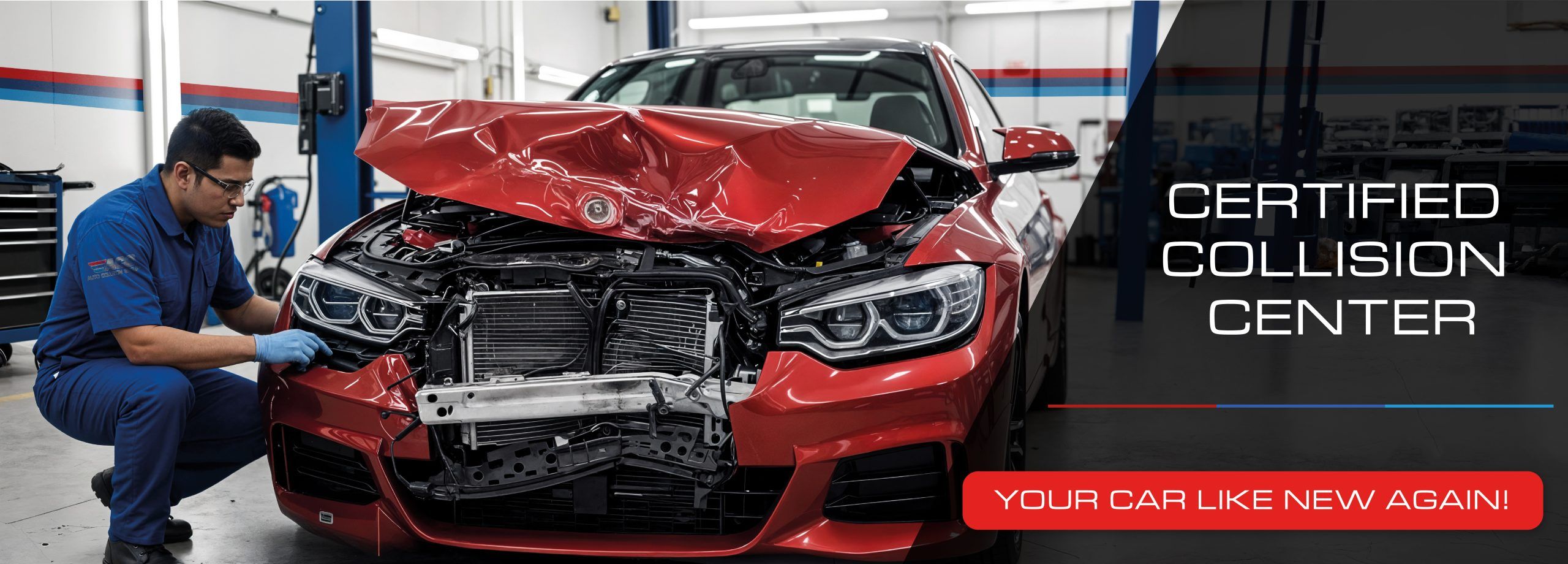
If your insurance company will not approve your body shop choice, know this: they do not have to “approve” it. California law does not include an approval step. You notify your insurer of your chosen shop, and they are required to work with that facility on the estimate and payment. What adjusters actually do is create friction. They may say the shop’s labor rate is “too high,” claim the estimate includes “unnecessary” procedures, or tell you the repair will take too long. These are negotiation tactics, not legal grounds for denial. A certified collision center like Auto Collision Group knows how to handle every one of these objections. With 34+ manufacturer certifications from Tesla, BMW, Mercedes-Benz, Porsche, and dozens more, ACG’s repair procedures follow factory specifications exactly. When an adjuster questions why we are performing a specific step, we point to the manufacturer’s published repair procedures. That documentation is difficult to argue against. We have seen this pattern repeat with every major carrier. For a detailed look at how Progressive handles shop selection, check our guide on Progressive approved body shops in California and why you have better options. The same principles apply to Geico, State Farm, Allstate, Farmers, and every other insurer operating in this state. Your right does not change based on which company issued your policy.
PRO TIP
“Never sign a direction-to-pay form at the scene of an accident or on the phone with your adjuster. Once you sign that, you are giving the insurance company control over where your car goes. Tell them you will choose your own shop and call them back with the name.”
How to Pick the Right Body Shop When You Exercise Your California Right to Choose
Knowing you can choose your own body shop in California is step one. Step two is making a smart choice. Not every shop is created equal, and the wrong pick can leave you with poor repairs, warranty issues, and a car that never drives the same. Start with manufacturer certifications. If you drive a Tesla, BMW, or any modern vehicle with advanced materials and safety systems, only a shop certified by that manufacturer has the training, tools, and approved repair procedures to restore it properly. A generic shop may not know that a Tesla Model Y requires aluminum riveting and structural adhesive bonding instead of traditional welding. That single mistake can compromise crash protection permanently. Next, ask about parts. A shop that defaults to aftermarket or recycled components is prioritizing cost over quality. OEM parts are engineered for your specific vehicle, tested to meet crash safety standards, and backed by the manufacturer’s warranty.
Look at the shop’s willingness to fight your insurer. This is the detail most people overlook. When your estimate comes back and the adjuster cuts line items, what does the shop do? A DRP facility usually accepts the reduction because their contract requires it. An independent shop that works for you will write a supplement, document the additional damage, and negotiate until the insurer pays for the correct repair. Ask about warranty coverage as well. A lifetime repair warranty signals that the shop stands behind its work with no expiration date. Finally, check Google reviews for patterns. A shop with hundreds of reviews mentioning “fought my insurance” or “got OEM parts approved” is doing exactly what you need. For a real-world example of how this plays out with a specific carrier, see our guide on Geico approved body shops in California and your right to choose a better repair.
Why California Drivers Choose Auto Collision Group
13
Locations in California
34+
Manufacturer Certifications
4.8★
Average Google Rating
OEM
Parts Only, Always
Auto Collision Group exists for one reason: to fight for you, not the insurance company. When you ask “can I choose my own body shop California insurance,” we are the shop worth choosing. With 13 locations from Whittier to El Cajon, Fresno to Bakersfield, there is an ACG facility within reach of most California drivers. We use OEM parts exclusively on every repair and will go toe to toe with any adjuster who tries to substitute aftermarket components. Our 34+ manufacturer certifications, including Tesla, BMW, Mercedes-Benz, Porsche, Lucid, and Audi, mean your vehicle gets repaired exactly the way the factory intended. Every repair comes with a lifetime warranty. We offer free 24/7 towing from anywhere in California, help coordinate your rental car, and handle all insurance paperwork from first notice to final payment. Call 833-333-4224 or request a free online estimate today.
Frequently Asked Questions
Yes. California Insurance Code Section 758.5 gives you the absolute right to select any licensed body shop for your collision repair. Your insurer cannot require you to use a specific facility, and they must pay a reasonable amount for repairs at the shop you choose. No exceptions, no approval process needed.
Your insurer is required to pay a reasonable amount based on prevailing labor rates in your area. If your chosen shop’s estimate is higher than the insurer’s initial offer, the shop can negotiate through supplements and documentation. At Auto Collision Group, we handle this negotiation daily and consistently get full repair costs approved.
OEM parts are built by the vehicle manufacturer to exact specifications for fit, finish, and crash safety. Aftermarket parts may look similar but often have gaps in fitment and are not crash tested. ACG’s OEM-only policy ensures your car is restored to its original safety rating and structural integrity, every single time.
Repair timelines depend on the extent of damage and parts availability. Minor repairs typically take 3 to 5 business days. Major structural work may take 2 to 4 weeks. We provide regular updates throughout the process and coordinate rental car assistance so you stay mobile while your vehicle is in our shop.
Yes. Auto Collision Group works with every major insurer, including State Farm, Geico, Allstate, Progressive, Farmers, USAA, AAA, and Mercury. We handle all paperwork, fight for OEM parts, and advocate for a complete repair on your behalf. Call 833-333-4224 to get started.
You Can Choose Your Own Body Shop. Choose the One That Fights for You.
Free estimate | 24/7 towing | Lifetime warranty | 13 California locations
[button text=”